

The Rising Popularity of Frozen Ready Meals
Frozen ready meals have become a go-to option for busy young adults, working professionals, and health-conscious consumers looking for quick, nutritious, and convenient food options. However, the process of reconstituting frozen meals at home presents various challenges, impacting taste, texture, and consumer satisfaction.
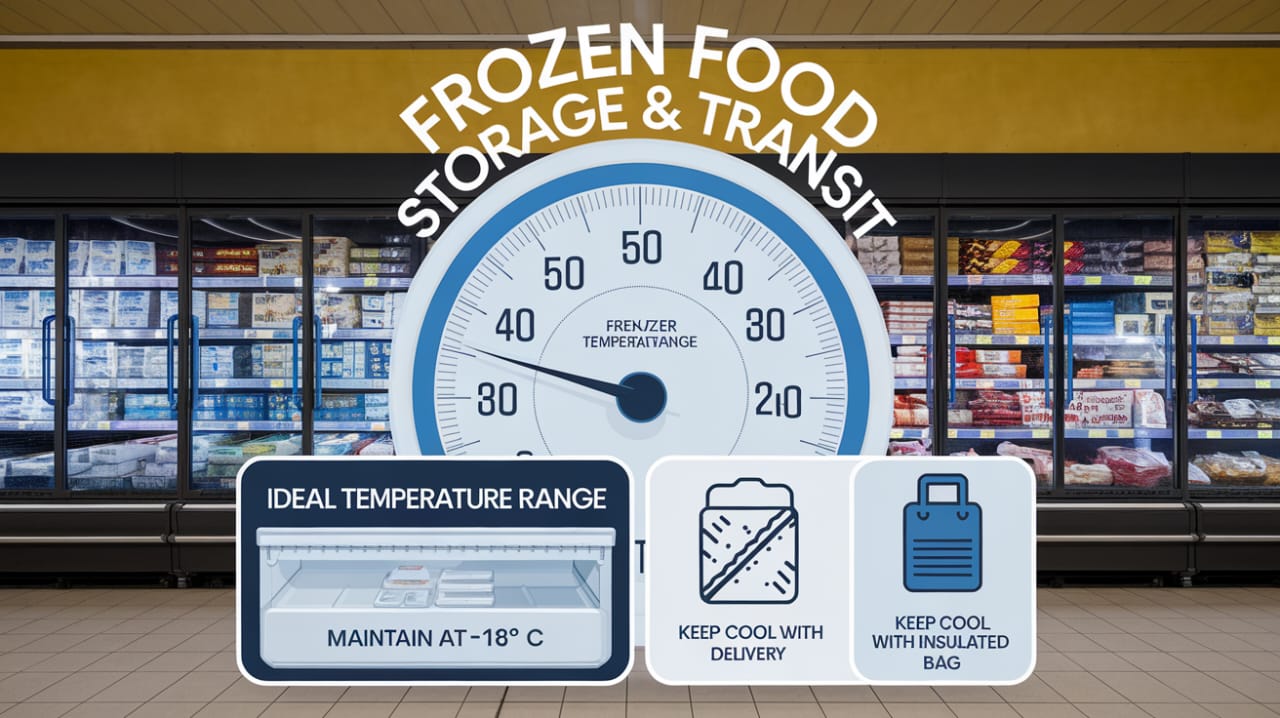
In this article, we will explore the challenges faced in reconstituting frozen ready meals, strategies to overcome them, and how Indian frozen food manufacturers can leverage innovation to create value-added products.
Key Challenges in Reconstituting Frozen Ready Meals
1. Temperature Management

Maintaining precise low temperatures from production to consumption is critical. Thawing and refreezing lead to texture degradation, nutrient loss, and potential microbial growth, which can compromise food safety.
Solution: Ensure a robust cold chain logistics system and educate consumers about proper storage and transportation.
2. Hygiene and Food Safety
Frozen foods can accumulate condensation and ice crystals, which affect the texture and create hygiene concerns.
Solution: Packaging innovations like vacuum-sealed or moisture-resistant wraps can help. Clear hygiene guidelines should be provided for consumers.
3. Limited Storage Capacity
The growing demand for frozen foods puts pressure on cold storage facilities, leading to supply chain bottlenecks.
Solution: Efficient inventory management and investments in localized distribution centres can ease the burden.
4. Reconstitution Techniques for Optimal Taste
Improper heating or cooking methods can alter the original taste and texture of frozen meals.
Solution: Companies must provide clear reconstitution instructions, including microwave, oven, or stovetop methods for each product type.
5. Ease of Use
Many consumers seek frozen meals for their convenience, but complex reconstitution steps can be a deterrent.
Solution: Ready-to-heat packaging and single-serve portions with step-by-step cooking instructions can enhance user experience.
6. Proper Heating and Storage Guidelines
Consumers often fail to follow correct heating procedures, leading to unevenly cooked food.
Solution: Printed and QR code-based video guides can simplify instructions for users.
7. Transit Time from Supermarket to Home
Frozen products often thaw during transit, especially in regions like India where ambient temperatures are high.
Solution: Encourage consumers to purchase frozen products from nearby convenience stores rather than large supermarkets. Retailers should offer insulated packaging or suggest dry ice solutions for extended transport.
Case Studies: Common Reconstitution Challenges
1. Punjabi Samosa
Punjabi samosas are among the most popular frozen snacks. However, at home, consumers often use minimal oil, resulting in uneven frying, a cold center, and an unsatisfactory experience. In contrast, restaurants use deep frying baskets that ensure even heating.
Solution: Introducing air fryer-friendly samosas or pre-fried, bake-and-serve versions can help bridge this gap.

2. Reconstitution of Dal Makhani
Consumers usually heat frozen dal makhani in a microwave oven for 3 to 4 minutes. However, this may not be sufficient. The right method involves heating in a microwave for 4 minutes, then garnishing it on a frying pan with a little butter and spices.
Since cooked dal makhani tends to have moisture settle at the bottom while freezing, microwaving alone may leave som portions unevenly heated. Proper stirring is essential for an even taste.
Solution: Clear cooking instructions must be provided, ideally with a QR code linking to a step-by-step video tutorial.
3. Tandoori Naan
Many consumers are confused about how to properly reconstitute frozen tandoori naan.
The right method involves microwaving for 1 to 2 minutes to soften the naan, then heating it on a tava (griddle) to achieve a slight crispness, replicating the restaurant experience
Solution: Proper reconstitution methods should be clearly provided on packaging. Additionally, before printing instructions, companies should test methods with a broad customer base to ensure accuracy and consistency.
Future Trends: Value-Added Frozen Vegetarian Meals
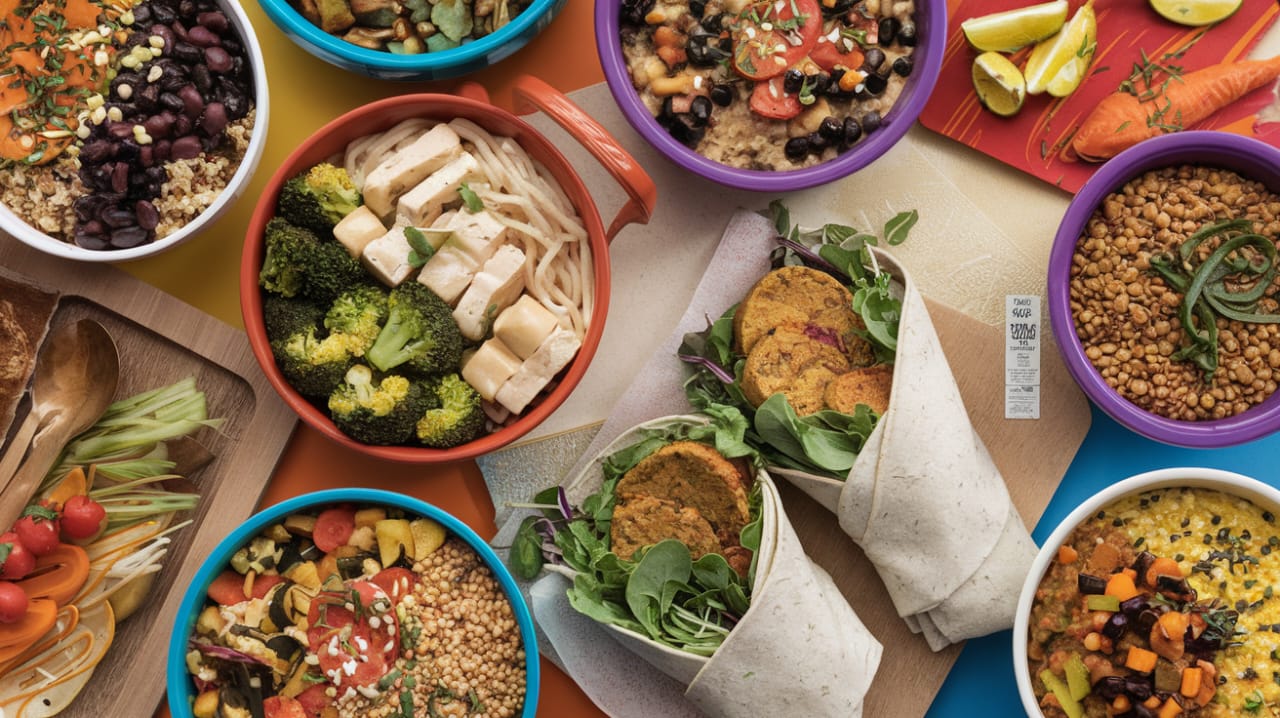
The next phase of frozen food evolution will focus on nutritious, easy-to-cook, and globally inspired vegetarian meals. Some trending ready-to-eat vegetarian frozen meals include:
· Asian Stir-Fry Kits – Pre-marinated tofu with mixed vegetables.
· Mediterranean Falafel Wraps – Ready-to-heat pita with falafel and hummus.
· Vegan Pasta Meals – Dairy-free mac & cheese or pesto pasta.
· Plant-Based Protein Bowls – Frozen quinoa, lentils, and superfood blends.
· Indian Regional Meals – Frozen millet-based dishes or South Indian ready meals.
Technical Aspects & Research on Frozen Meal Reconstitution
Scientific advancements in freezing technology, such as Individual Quick Freezing (IQF) and cryogenic freezing, ensure better texture and flavor retention. Research suggests that controlled slow thawing, steaming, or sous-vide reheating methods can enhance taste and texture in reconstituted meals.

For further reading:
“Advances in Frozen Food Processing” – John A. Bower
“Frozen Food Science and Technology” – Judith A. Evans
Research articles on food texture preservation in frozen meals (Google Scholar, ResearchGate)

Opportunities for Indian Frozen Food Manufacturers
The Indian frozen food market primarily focuses on popular products like Punjabi samosas, tandoori naan, and snacks. However, to differentiate from intense competition, manufacturers should explore:

1. Innovative Product Categories – Nutrient-dense, preservative-free, and gourmet frozen meals.
2. Better Packaging Solutions – Intelligent packaging that changes color when the product is properly thawed.
3. Localized Production & Distribution – Minimizing supply chain disruptions and ensuring quality.

By addressing reconstitution challenges and enhancing user experience, Indian frozen food brands can boost market penetration and sales revenue.
Learning from Global Innovations in Packaging
Companies like Apple have revolutionized packaging by considering even the smallest details—ensuring an effortless, damage-free unboxing experience. This level of innovation should be applied to frozen food packaging and reconstitution. From easy-peel seals to moisture-retaining packaging that prevents freezer burn, brands can invest in thoughtful packaging that enhances usability and preserves product quality. Features such as steam-release pouches, resealable packs, and pre-portioned packaging can significantly improve convenience for consumers.

Final Thoughts
Frozen meals are the future of convenience dining, but overcoming reconstitution challenges is key to sustained growth. Manufacturers must focus on research-driven innovations, consumer-friendly heating methods, and product diversification to capture evolving market trends.
For more insights and discussions on the frozen food industry, follow Satish Saundatti on YouTube https://www.youtube.com/@ssaundatti and LinkedIn Satish Saundatti | LinkedIn
#FrozenFood #ReadyMeals #FoodReconstitution #FoodPackaging #FrozenFoodInnovation #ConvenienceFood #FoodScience #IndianFoodIndustry #MicrowaveCooking #FoodTech #SmartPackaging #ConsumerExperience #FrozenMealsTips #FoodManufacturing #ValueAddedFood #ReheatingGuide #Apple